

PRP Therapy
PRP Therapy —Platelet-Rich Plasma
Your own blood. Your hair's most powerful ally. One of the most clinically studied non-surgical hair loss treatments available — delivering real, measurable regrowth.
Your Own Biology, Supercharged
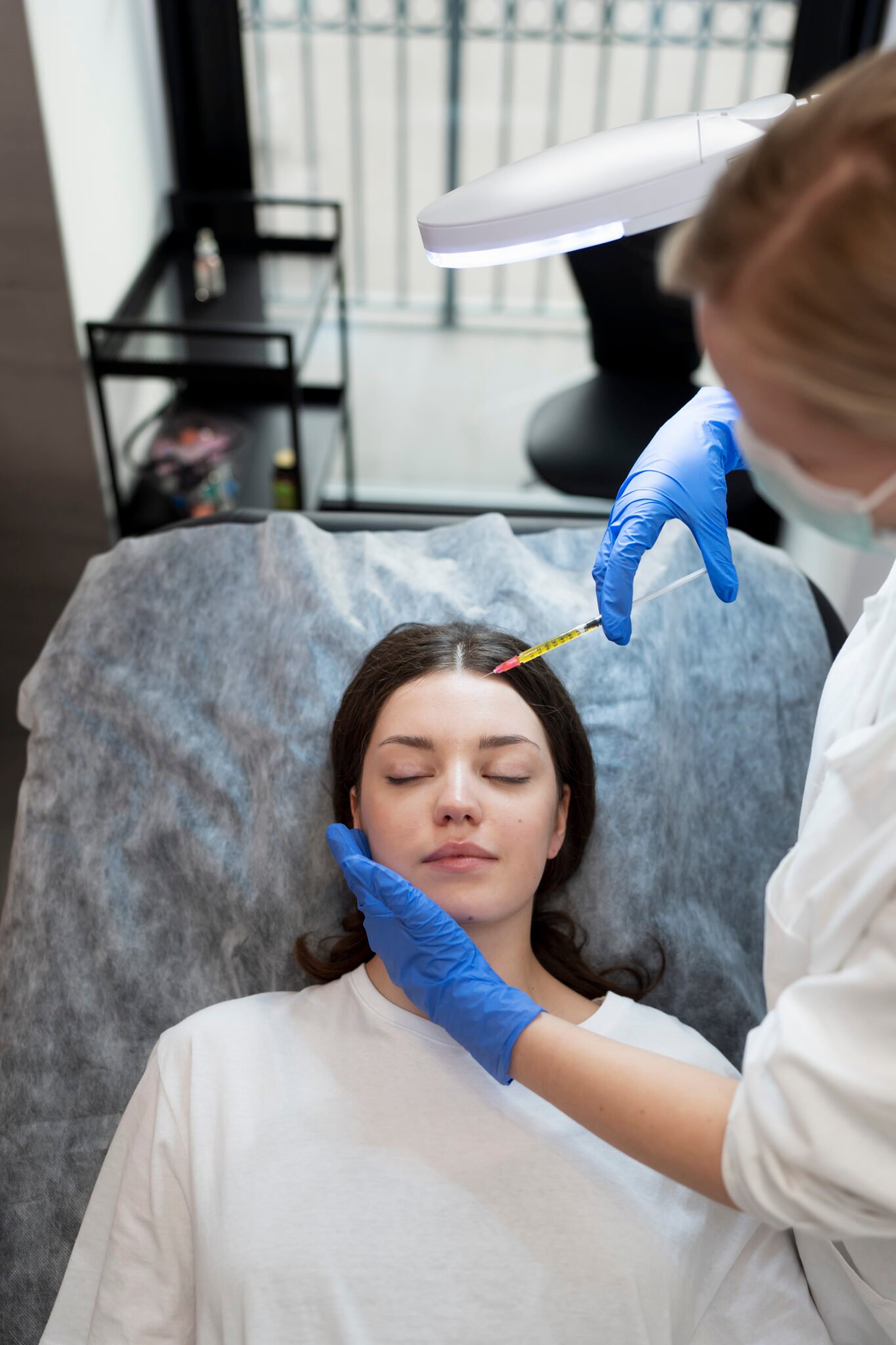
Platelet-Rich Plasma therapy stands as one of the most extensively studied and clinically validated non-surgical treatments for hair loss available today. The science behind PRP is elegant in its logic: your blood already contains everything your body needs to heal and regenerate. PRP therapy simply concentrates those regenerative signals and delivers them precisely where your hair follicles need them most.
Unlike synthetic growth factors or pharmaceutical interventions, PRP works entirely with your own biology. There is no risk of allergic reaction to foreign substances, no long-term medication dependence, and no systemic side effects. This makes PRP not only highly effective but uniquely appropriate for clients who prefer a natural, evidence-based approach to hair restoration.
The treatment is appropriate for both men and women across a range of hair loss conditions, and is particularly effective when introduced at the early to moderate stages of hair loss — though it has demonstrated benefit even in more advanced presentations when combined with complementary therapies.
The Science: How PRP Works
Blood is composed of red blood cells, white blood cells, plasma, and platelets. Platelets are not merely involved in clotting — they are sophisticated cellular messengers that carry an extraordinary concentration of growth factors, including Platelet-Derived Growth Factor (PDGF), Vascular Endothelial Growth Factor (VEGF), Epidermal Growth Factor (EGF), Transforming Growth Factor-Beta (TGF-β), and Insulin-Like Growth Factor (IGF).
These growth factors play critical roles in tissue repair, cellular proliferation, and the activation of stem cells. When concentrated through centrifugation and delivered directly to the scalp, they trigger a cascade of regenerative activity within the follicular environment:
Stimulation of dormant hair follicles, moving them from the resting (telogen) phase back into active growth (anagen)
Improvement of scalp microcirculation — bringing greater oxygen and nutrient supply to follicular cells
Reduction of scalp inflammation, which is a significant driver of follicular miniaturisation
Strengthening of the dermal papilla cells that govern hair growth cycles
Extension of the anagen (active growth) phase, resulting in longer, thicker, healthier hair fibres
Stimulation of stem cells in the bulge region of the follicle — the key to long-term follicular regeneration
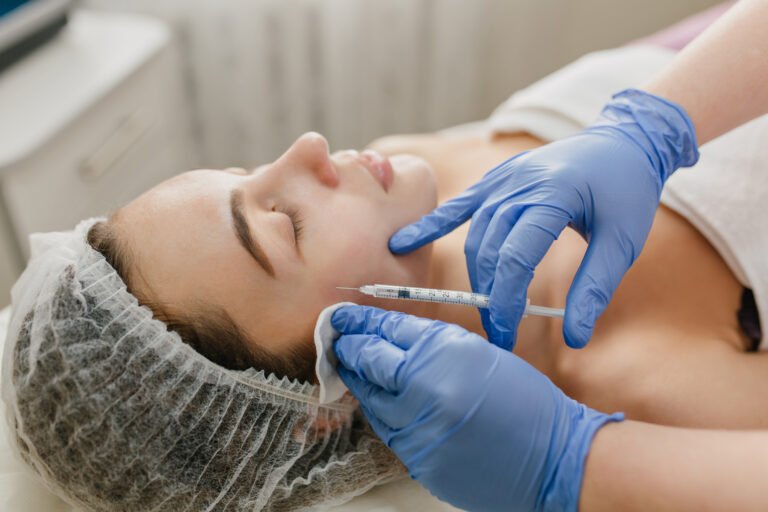
The result, across multiple clinical studies and in clinical practice, is measurable improvement in hair density, hair calibre, and the overall health of the scalp environment.
The Treatment Process — Step by Step
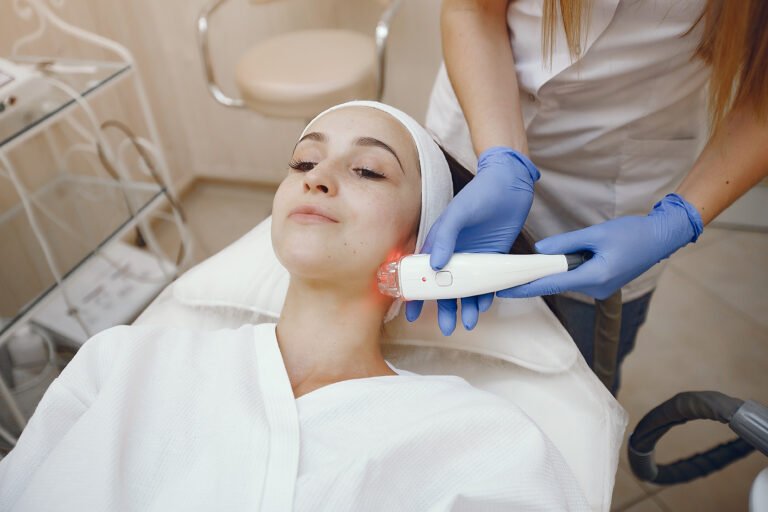
Step 1: Blood Draw
A small quantity of blood — typically 20–30ml — is drawn from your arm, exactly as it would be for a standard blood test. This takes only a few minutes and is performed with the smallest gauge needles available to minimise discomfort.
Step 2: Centrifugation
The blood sample is placed in a medical-grade centrifuge and spun at precisely calibrated speeds and durations. This process separates the blood into its component layers, concentrating the platelet-rich plasma while removing the red blood cells. The result is a golden-coloured plasma containing platelet concentrations several times higher than normal blood — the precise ratio we use for hair restoration.
Step 3: Preparation & Activation
The concentrated PRP is carefully prepared for injection. At this stage, the growth factors within the platelets are primed for activity. The PRP is assessed for quality and concentration before proceeding.
Step 4: Scalp Preparation
The treatment areas of your scalp are cleansed and a topical anaesthetic cream is applied to ensure the procedure is as comfortable as possible. The majority of clients describe the sensation as minimal — a slight pressure or warmth rather than sharp discomfort.
Step 5: Precision Injections
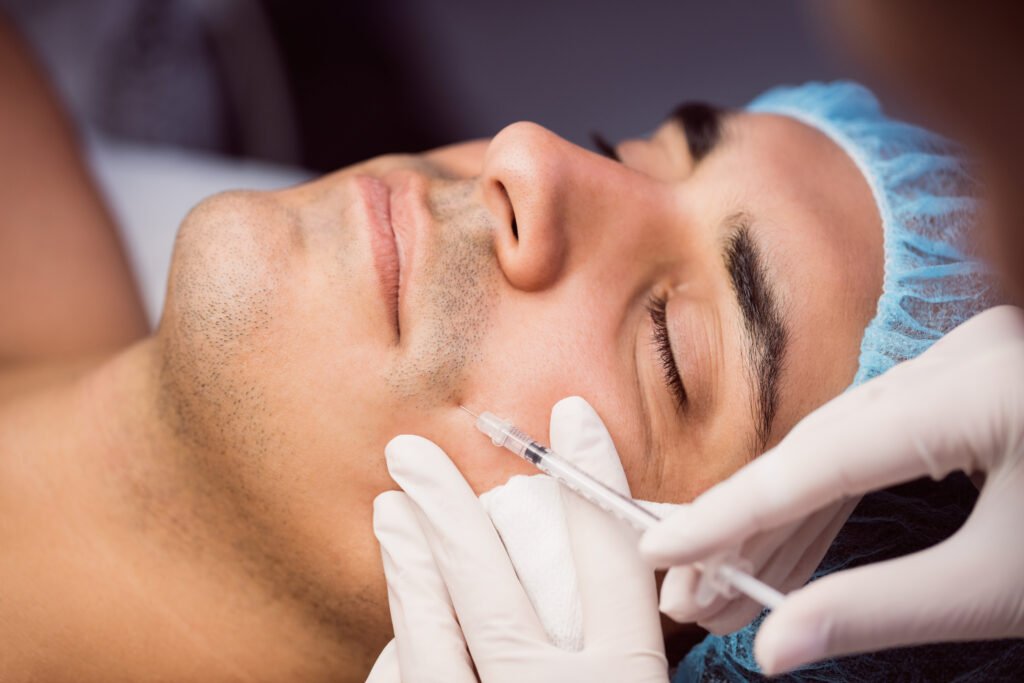
Using ultra-fine needles, the PRP is injected in a systematic pattern across the treatment zone. The injection technique is critical depth, spacing, and volume per site are all calibrated based on your individual scalp anatomy and the areas of greatest need identified during your trichoscopy assessment. A typical session involves multiple precise injection points covering the affected areas.
Step 6: Post-Treatment Guidance
After the session: avoid washing the scalp for 24 hours, avoid intense exercise and sweating for 24 hours, avoid anti-inflammatory medication for 48 hours, and protect the scalp from direct sun exposure. Mild tenderness or warmth at the injection sites is normal and resolves within 24 hours.
Results: What to Expect and When
Results from PRP therapy are progressive — the regenerative process unfolds over weeks and months rather than appearing overnight. This is a reflection of the biology involved: follicles that have been in a resting state must be reactivated, transition through the growth cycle, and produce visible new hair shafts before results are apparent to the eye.
Weeks 2–4: Reduction in hair shedding is often the first sign — many clients notice significantly less hair loss during washing and styling.
Months 2–3: New fine growth may become visible at the hairline and in areas of thinning. Hair shafts already present often appear stronger and thicker
Months 4–6: Meaningful improvement in hair density becomes apparent. Trichoscopy at this stage typically shows measurable increases in follicular density and hair shaft calibre.
Months 6–12: Full results from the initial course of treatment are visible. At this stage, a maintenance assessment determines the appropriate interval for ongoing sessions.
Results are individual and influenced by factors including the stage of hair loss, the underlying cause, age, overall health, and adherence to the recommended protocol. Your treatment plan will include realistic expectations specific to your case — based on your clinical findings, not generalised statistics.
Start PRP Therapy
Book a trichology consultation to confirm PRP is the right treatment for your specific condition.
Contact us
Your Own Biology. Your Best Treatment.
PRP therapy begins with a trichology consultation to confirm it's right for you.